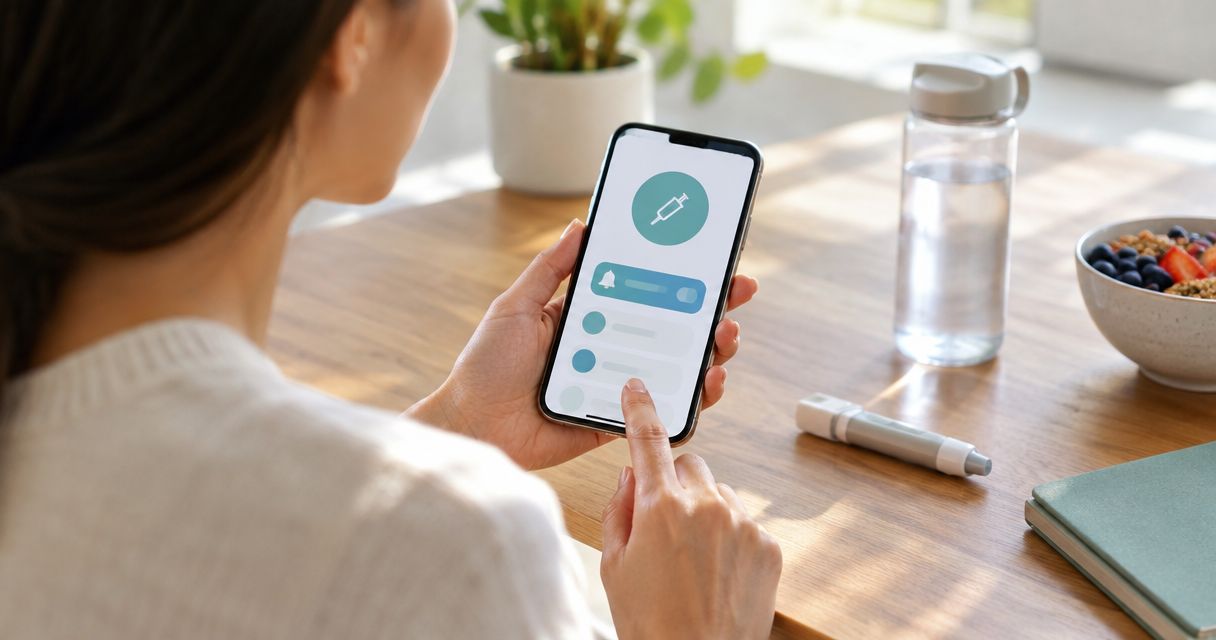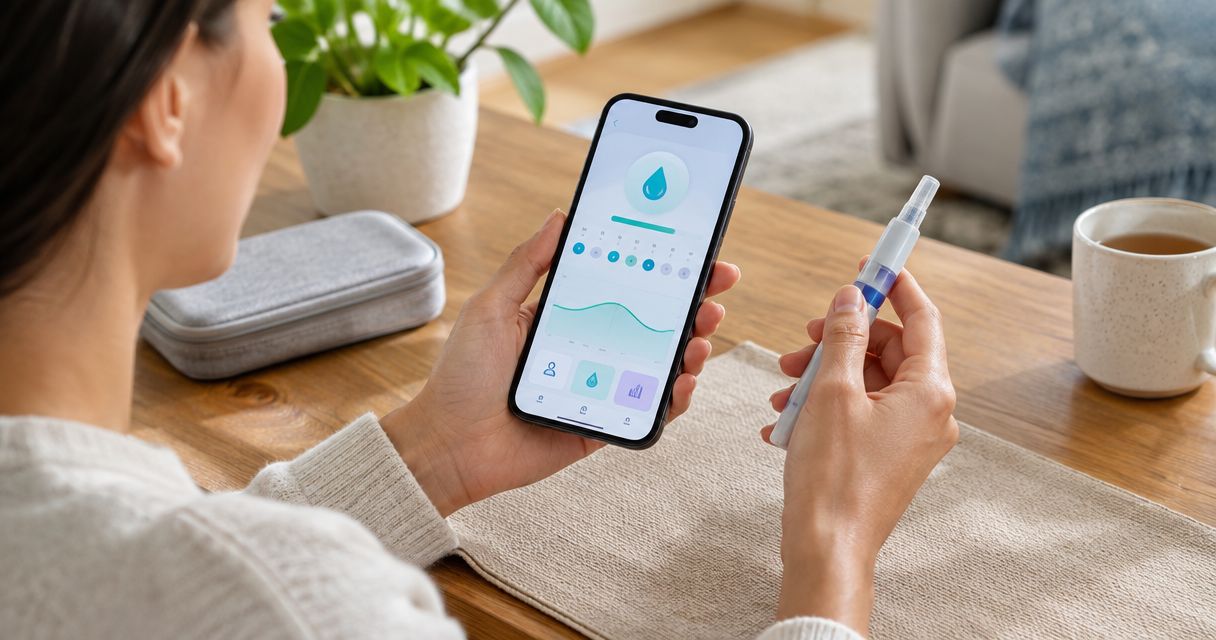
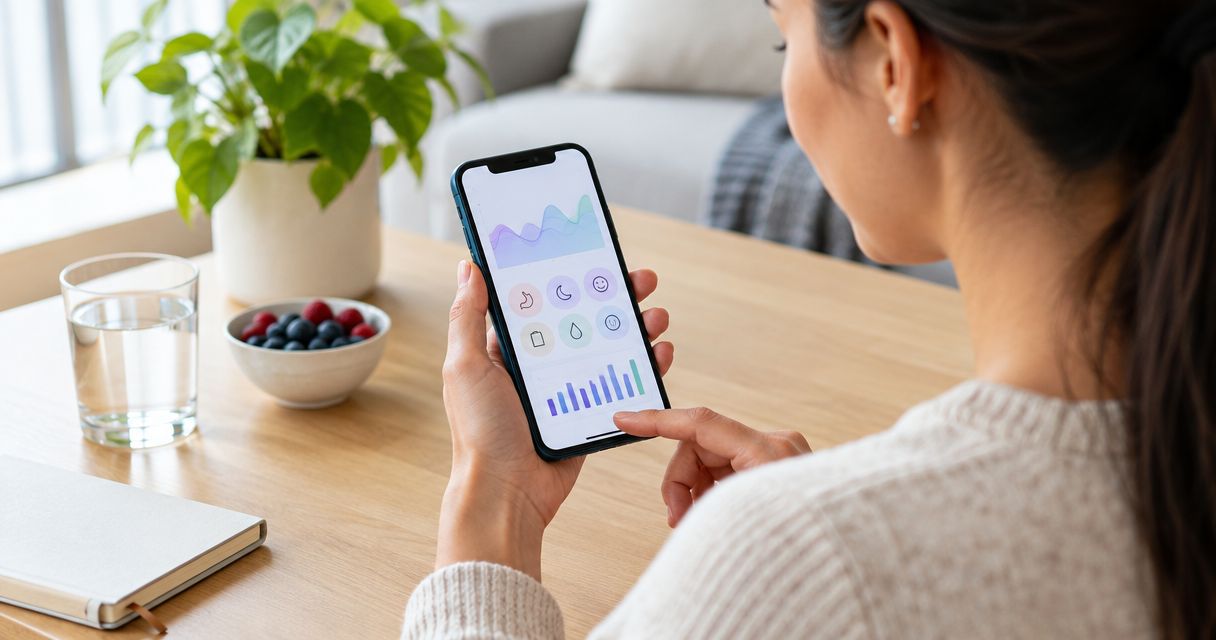
Tracking side effects while on Zepbound, Wegovy, Mounjaro, or Ozempic means logging nausea, injection site reactions, fatigue, and dose timing in one place instead of trying to remember what happened three weeks ago. This guide ranks six GLP-1 side effect tracker apps for 2026 by what they actually log, not by what their App Store listing promises.
- GlucoPal is the best free glp-1 side effect tracker app in 2026 — no account, no ads, dose-linked symptom logs.
- Shotsy wins for injection reminders and site rotation across multiple GLP-1 medications.
- MyFitnessPal's GLP-1 Support pairs symptom notes with food logging, but the symptom field is free text, not structured data.
- Noom Med and Lilly Health tie side effect tracking to a coaching program or a single manufacturer's drugs, not a standalone tracker.
Why this matters
Nausea, constipation, fatigue, and injection site reactions show up for most people starting a GLP-1 medication, and they tend to cluster around dose increases rather than showing up on random days. GlucoPal was built around that pattern — log a dose, log a site, log how you felt, and the timeline does the correlating instead of you trying to remember it weeks later.
A generic notes app or spreadsheet can hold the same information, but it won't flag that your worst days always land 48 hours after a dose bump. A dedicated glp-1 side effect tracker app does, and that difference is what this 2026 ranking is built on — not app store star ratings, not marketing copy.
Best overall: GlucoPal. Best for injection reminders: Shotsy. Best for food-first tracking: MyFitnessPal's GLP-1 Support. Best for coaching support: Noom Med. Best for Zepbound-specific tracking: Lilly Health. Best for quick daily check-ins: Pep.
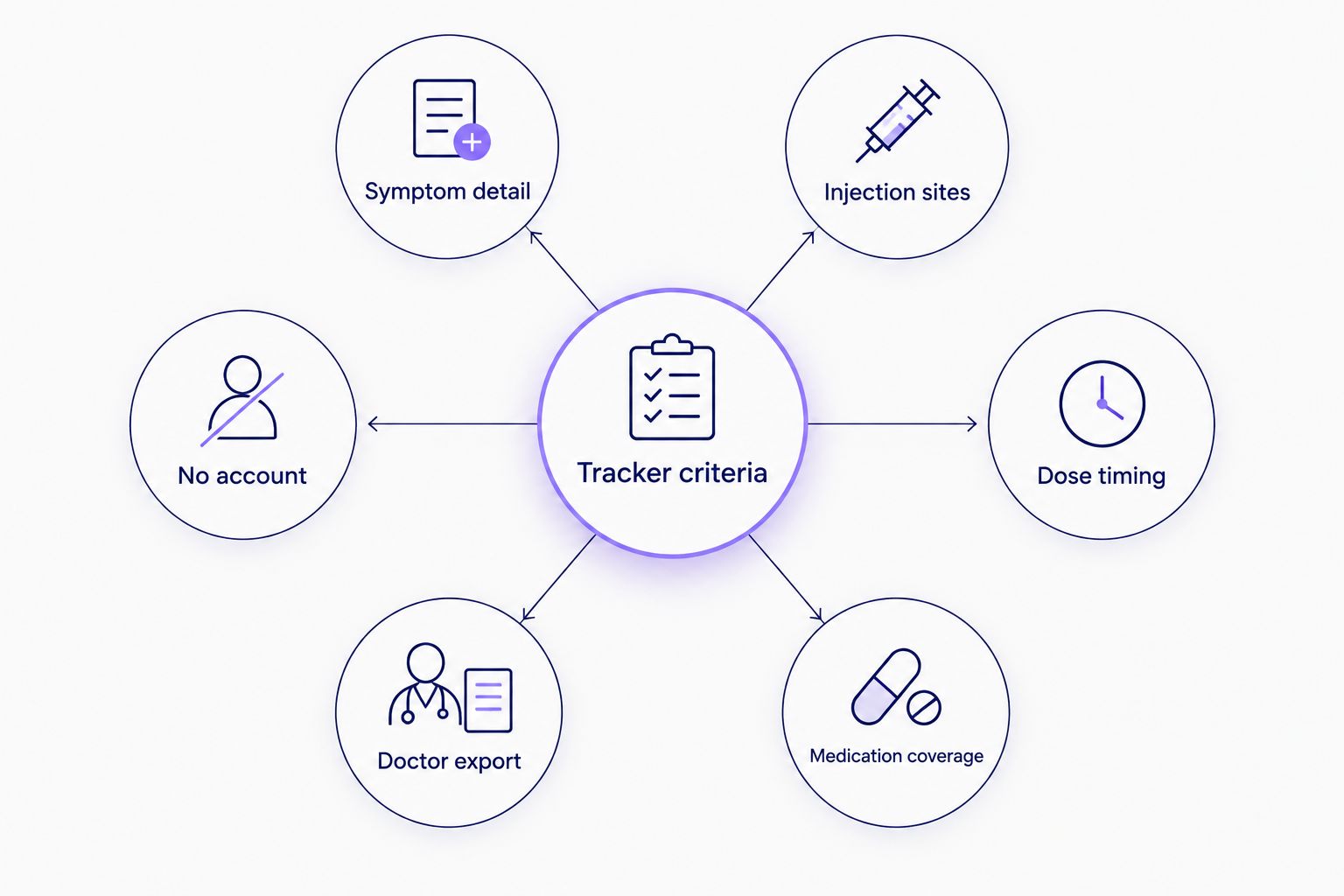
What makes the best GLP-1 side effect tracker app in 2026
- Symptom detail — logs specific side effects (nausea, constipation, injection site reaction, fatigue), not a single "how do you feel today" field
- Injection site rotation — tracks which site was used last time and flags repeat sites before you inject
- Dose-timing correlation — links symptoms back to the dose day and the dose amount, not just the calendar date
- No account required — data stays on the phone instead of a server you never agreed to
- Doctor-ready export — a way to hand your prescriber a timeline, not a description from memory
- Medication coverage — works across Zepbound, Wegovy, Mounjaro, and Ozempic, not just one manufacturer's drug
GLP-1 side effect tracker apps at a glance for 2026
| App | Best for | Standout feature | Key limitation |
|---|---|---|---|
| GlucoPal | Free side effect tracking overall | Dose, injection site, and symptom logs in one timeline, no account | iPhone only, no coaching |
| Shotsy | Injection reminders | Alerts and site rotation across multiple GLP-1 medications | Symptom logging is lighter than a dedicated tracker |
| MyFitnessPal (GLP-1 Support) | Food-first tracking | Massive food database paired with a medication log | Side effect notes are free text, not structured symptoms |
| Noom Med | Coaching support | Human coaching bundled with medication tracking | Requires enrolling in a program, not a standalone app |
| Lilly Health | Zepbound-specific tracking | Manufacturer-backed dose and refill reminders | Only covers Lilly drugs — no Wegovy or Ozempic |
| Pep | Quick daily check-ins | Fast, minimal daily symptom log | Less detail on dose-timing correlation |
1. GlucoPal: best GLP-1 side effect tracker app for daily use
GlucoPal logs dose, injection site, weight, photos, and side effects in one running timeline, and it works across Zepbound, Wegovy, Mounjaro, and Ozempic instead of locking to one manufacturer. There's no account and no ads — the data lives on the phone, and nothing needs a login to open it. The symptom log is structured across categories like nausea, constipation, fatigue, and injection site reaction, so a pattern like "the bad days always follow a dose bump" shows up without manual math on your end.
GlucoPal pros:
- Free, no account, no ads
- Structured symptom log tied to dose day and injection site
- Covers all major GLP-1 medications, not just one brand
- Exportable timeline for prescriber visits
GlucoPal cons:
- iPhone only, no Android version
- No coaching or telehealth built in
- Self-reported data only — it doesn't replace lab work or a prescriber's judgment
Best for: anyone who wants a private, structured record of doses and side effects without signing up for anything. Verdict: Buy.
2. Shotsy: best for injection reminders across multiple GLP-1 medications
Shotsy is built around the injection itself — reminders, site rotation, and a calendar view of every shot you've taken. It supports GLP-1 medications alongside other injectables, which matters if you're also managing insulin or another prescription on the same schedule.
Shotsy pros:
- Injection reminders reduce missed or doubled doses
- Site rotation tracking helps avoid repeat injection spots
- Works across GLP-1s and other injectable medications, not one category
Shotsy cons:
- Side effect logging reads more like a diary entry than a structured symptom log
- Correlating symptoms to dose day takes manual review rather than an automatic timeline
Best for: people who miss doses or lose track of injection sites more than they struggle with symptom detail. Verdict: Buy if reminders are the priority over structured tracking.
3. MyFitnessPal (GLP-1 Support): best for food-first tracking
MyFitnessPal added GLP-1 support on top of its existing food and calorie database, so medication and meal logging live in the same app instead of two separate ones. That's useful if appetite changes or nausea tied to meals are your main concern, since food intake and symptoms sit side by side on the same day's entry.
MyFitnessPal GLP-1 Support pros:
- Largest food database of any app on this list
- Medication log sits next to calorie and macro tracking
- Familiar interface for anyone who already tracks food daily
MyFitnessPal GLP-1 Support cons:
- Side effect notes are free text, not structured symptom categories
- Built for food tracking first, medication tracking second
Best for: people who already track food daily and want medication notes in the same place. Verdict: Hold if side effect detail matters more than food logging.
4. Noom Med: best for coaching support alongside tracking
Noom Med pairs a telehealth prescribing program with tracking tools, so side effect logging comes bundled with human coaching rather than existing as a standalone feature you can use on its own.
Noom Med pros:
- Coaching support alongside dose and symptom tracking
- Structured program for people who want guidance, not just a log
Noom Med cons:
- Requires enrolling in the program to access tracking at all
- Not a fit if you already have a prescriber and just want a tracker
Best for: people who want a coach and a prescription pathway, not just a logging tool. Verdict: Hold unless you're shopping for a program, not an app.
5. Lilly Health: best for Zepbound-specific tracking
Lilly Health is built by Eli Lilly for people on Zepbound or Mounjaro, and it ties dose reminders to refill and prescription management directly from the manufacturer.
Lilly Health pros:
- Manufacturer-backed, ties directly into Lilly prescriptions
- Refill reminders alongside dose tracking
Lilly Health cons:
- Only covers Zepbound and Mounjaro — no Wegovy or Ozempic
- Side effect tracking is secondary to prescription and refill management
Best for: Zepbound or Mounjaro users who want their tracker tied to their prescription. Verdict: Skip if you're on Wegovy or Ozempic — it won't cover your medication at all.
6. Pep: best for quick daily check-ins
Pep keeps side effect logging to a fast daily check-in rather than a detailed timeline, which suits anyone who wants a low-effort habit more than a data-rich record.
Pep pros:
- Fast, low-friction daily logging
- Simple enough to actually stick with
Pep cons:
- Less detail on dose-timing correlation than GlucoPal or Shotsy
- Thinner medication and injection site tracking overall
Best for: people who want a ten-second daily habit, not a detailed record. Verdict: Hold for casual tracking, Skip if you need doctor-ready exports.
Start your side effect log today
No account, no ads — just doses, sites, and symptoms in one timeline.
How we ranked these apps
Every app above is scored against the same six criteria: symptom detail, injection site rotation, dose-timing correlation, account requirement, export options, and medication coverage. Apps that logged structured symptoms and correlated them to dose day ranked above apps that treat side effects as a notes field. Best GLP-1 tracking apps for 2026 covers the same six apps from a broader tracking angle, not just side effects, if you want the fuller comparison.
Which GLP-1 side effect tracker app should you choose in 2026?
If you want one free app that logs doses, injection sites, and symptoms without an account, GlucoPal is the default answer for 2026. Pick Shotsy if reminders and site rotation matter more to you than symptom detail. Pick MyFitnessPal's GLP-1 Support if food logging is already your daily habit and side effects are secondary. Skip Noom Med and Lilly Health unless you specifically want a coaching program or you're locked into Zepbound or Mounjaro through Lilly. Pep works fine as a low-effort backup, but it won't give a prescriber much to review at a follow-up visit.
FAQ
What's the best GLP-1 side effect tracker app in 2026?
GlucoPal is the best glp-1 side effect tracker app in 2026 for most people — it logs doses, injection sites, and symptoms without an account or ads. Shotsy is a better pick if injection reminders matter more than symptom detail.
Is Shotsy better than GlucoPal for tracking side effects?
Shotsy is stronger for injection reminders and site rotation across multiple medications, while GlucoPal logs structured side effects tied to dose day. Pick Shotsy if you forget doses; pick GlucoPal if you need a detailed symptom record.
Does MyFitnessPal track GLP-1 side effects?
MyFitnessPal's GLP-1 Support feature lets you log medication notes next to food and calorie tracking, but the side effect field is free text rather than structured symptom categories. It works best for people who already track food daily.
Is Noom Med a side effect tracker or a program?
Noom Med is a telehealth coaching program that includes tracking tools, not a standalone side effect tracker. You need to enroll in the program to access it.
Does Lilly Health work for Wegovy or Ozempic users?
No. Lilly Health only covers Zepbound and Mounjaro, both made by Eli Lilly. Wegovy and Ozempic users need a tracker that isn't tied to a single manufacturer, like GlucoPal or Shotsy.
How much does a GLP-1 side effect tracker app cost?
GlucoPal is free with no account required. Pricing on other apps varies by plan, so check the current App Store listing before choosing one.
Can a side effect tracker replace talking to my prescriber?
No. A tracker gives you a timeline to bring to appointments, but decisions about dose changes or managing side effects still belong to your prescriber.
What side effects should I track on GLP-1 medications?
Nausea, constipation, fatigue, and injection site reactions are the most common ones people log, especially in the days after a dose increase. Tracking dose timing alongside symptoms is what reveals the pattern.
One last thing
Side effects on GLP-1 medications tend to cluster around dose increases, not the injection day itself — that pattern only shows up if you log the dose date and the symptom together for at least two dose cycles. A single week of notes won't show it; six to eight weeks usually will, and that's the window worth waiting through before you decide an app or a medication isn't working for you.